As a cradle Catholic, my faith has been an integral part of my identity since birth. Baptized as Cecilia Maria Abraham in Hyderabad, Catholicism has been my anchor through the years, guiding me even when I wasn’t consciously aware of its influence. It’s the quiet voice in my heart, sometimes heeded, sometimes ignored, but always present.
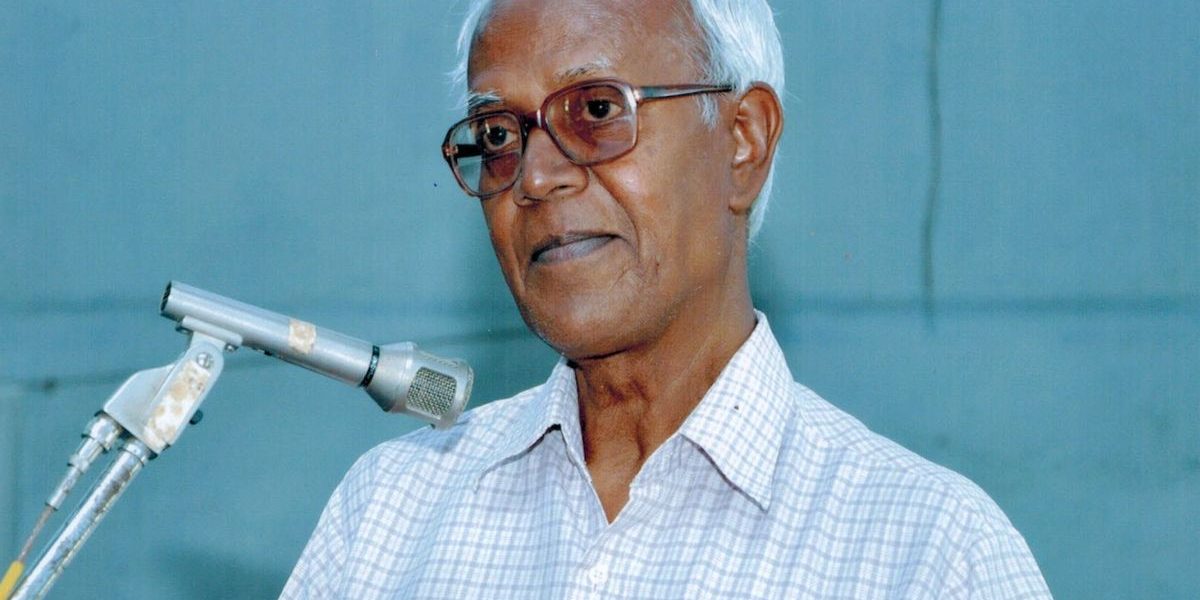
In 2020, a name caught my attention and stirred something deep within me: Fr. Stan Swamy. An octogenarian Jesuit priest and Adivasi rights activist, Fr. Stan found himself at the center of national attention when he was jailed for questioning the government. His story captivated me, not just as a Catholic, but as an Indian citizen and a student of Development Communications.
Fr. Stan embodied the values of courage, defiance, and dedication to the marginalized. His work in the hinterlands of Jharkhand was a living example of liberation theology – a Christian philosophy that emphasizes the believer’s obligation to speak up for the poor and vulnerable. This resonated deeply with me, reminding me of the social justice aspects of our faith that often get overlooked in day-to-day religious practice.
When Fr. Stan passed away in custody, I felt a profound sense of loss and regret for not having learned more about him while he was alive. His death left me questioning my own commitment to faith and social justice. It was a wake-up call, prompting me to delve deeper into what it truly means to live a Christ-like life in today’s world.
On July 5th this year, the third anniversary of Fr. Stan’s passing, I found myself in a crisis of faith. Seeking guidance and renewal, I participated in a Catholic retreat – a practice often recommended to replenish one’s spirit and ground oneself back in faith. As I reflected on Fr. Stan’s life and legacy during this retreat, I realized that his story serves as a powerful reminder of the role we as lay Catholics can play in society.
Fr. Stan’s cause was taken up by Jesuits, human rights activists, and organizations worldwide. However, I couldn’t help but notice a certain disconnect – the average Indian Catholic seemed somewhat removed from this discourse. This observation led me to question: What is our role, as lay Catholics, in addressing social injustices? How can we honor Fr. Stan’s legacy in our daily lives?
While I dare not call Fr. Stan a saint or a Christian martyr – such designations are for the Church to decide – I can’t help but see him as a modern-day prophet. He challenges us to move beyond the comfort of our pews and engage with the world around us. His life reminds us that our faith isn’t just about personal salvation, but about creating a more just and equitable society.
As we remember Fr. Stan Swamy, let’s ask ourselves: How can we, as Indian Catholics, be more involved in social justice issues? How can we ensure that voices like Fr. Stan’s are not silenced? Perhaps it’s time for us to step out of our comfort zones, to question unjust systems, and to stand up for the marginalized – just as Fr. Stan did.
In doing so, we might find that our faith becomes more than just an identity or a set of rituals. It could become a powerful force for change in our communities and our nation. Fr. Stan Swamy’s life and death serve as a clarion call – will we answer it?